Your Career. Our Priority.



The Management level is all about turning long-term decisions into practical, medium-term plans. You’ll learn how to use data and technology to manage both organisational and individual performance, allocate resources effectively, and monitor and report on how decisions are implemented. You’ll also gain the skills to prepare and interpret financial statements to highlight business performance and support better decision-making. If you’d like to complete all of the Management level modules, this is available for £4,799 (excluding CIMA subscription and exam costs).
We also offer a price match guarantee on all of our face-to-face classroom delivery modules.
This is the second level of CIMA’s CGMA Professional Qualification. You’ll usually start here after successfully completing the Operational level, though exemptions may allow you to begin at this stage. You can check your recommended starting point using CIMA’s exemptions calculator.
Once you’ve completed this level, you’ll be ready to move on to the Strategic level.
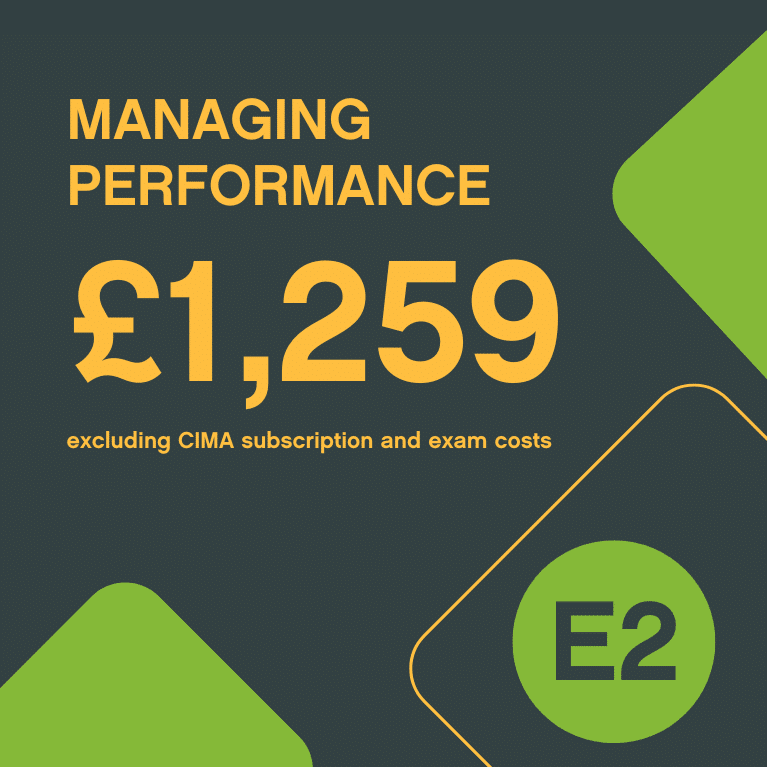
The E2 Management Performance module equips students with the knowledge and skills needed to support effective decision-making and control within organisations. It covers techniques for planning, monitoring, and evaluating performance, including budgeting, variance analysis, and performance measurement systems. Students explore the use of management information to assess operational and financial outcomes, make informed decisions, and provide actionable insights to management.
The module also considers the impact of organisational strategy, risk, and governance on performance management. By the end of the module, students will be able to apply analytical and evaluative skills to enhance organisational efficiency and support sustainable business success.
Weekly sessions start on Thursday 2nd April 2026, and run for 7 weeks. Sessions start at 9am and finish at 4pm, with our trainer, Katherine. Or, enquire below about our October intake!
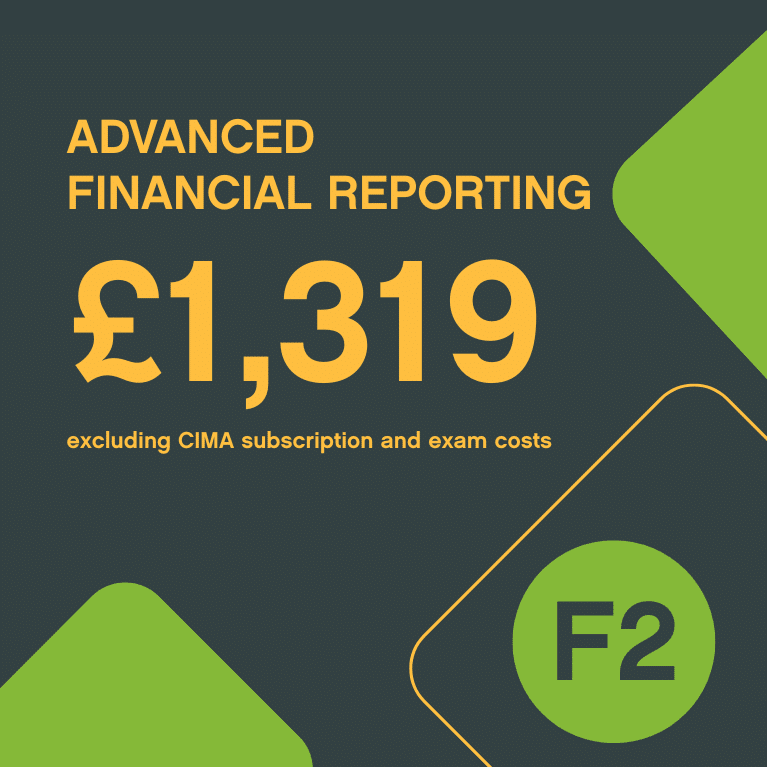
The F2 Advanced Financial Reporting module develops students’ understanding of financial reporting principles and their application to complex business scenarios. It covers the preparation and presentation of financial statements for single entities and groups in accordance with relevant accounting standards, including International Financial Reporting Standards (IFRS). Students explore issues such as business combinations, consolidated reporting, and the treatment of non-current assets, financial instruments, and provisions.
The module also emphasises the analysis and interpretation of financial statements, enabling students to provide insights for decision-making. By the end of the module, students will be able to apply technical knowledge to produce, evaluate, and communicate high-quality financial reports.
Weekly sessions start on Thursday 28th May 2026, and run for 8 weeks. Sessions start at 9am and finish at 4pm, with our trainer, Katherine.
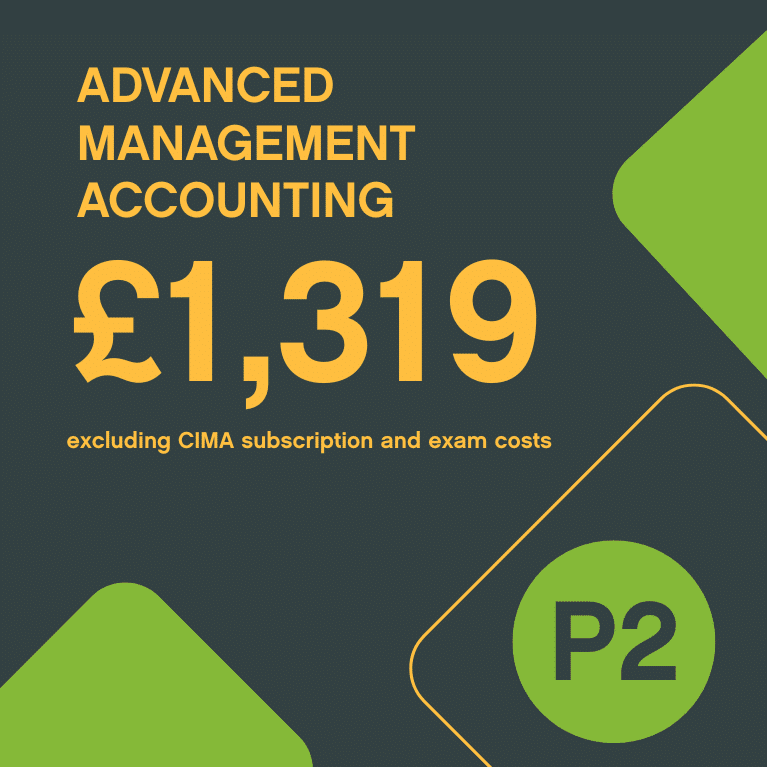
The P2 Advanced Management Accounting module gives students the knowledge and skills to support strategic decision-making and performance management in complex business environments. It covers advanced techniques in costing, budgeting, and performance measurement, including the use of variance analysis, responsibility accounting, and investment appraisal.
The module emphasises the application of management accounting information to inform decisions on pricing, resource allocation, and risk management. Students also develop analytical and evaluative skills to interpret financial and non-financial data, enabling them to provide meaningful insights and advice to support the effective management and long-term success of an organisation.
Weekly sessions start on Thursday 29th January 2026, and run for 8 weeks. Sessions start at 9am and finish at 4pm, with our trainer, Katherine. Or, enquire below about our August intake!
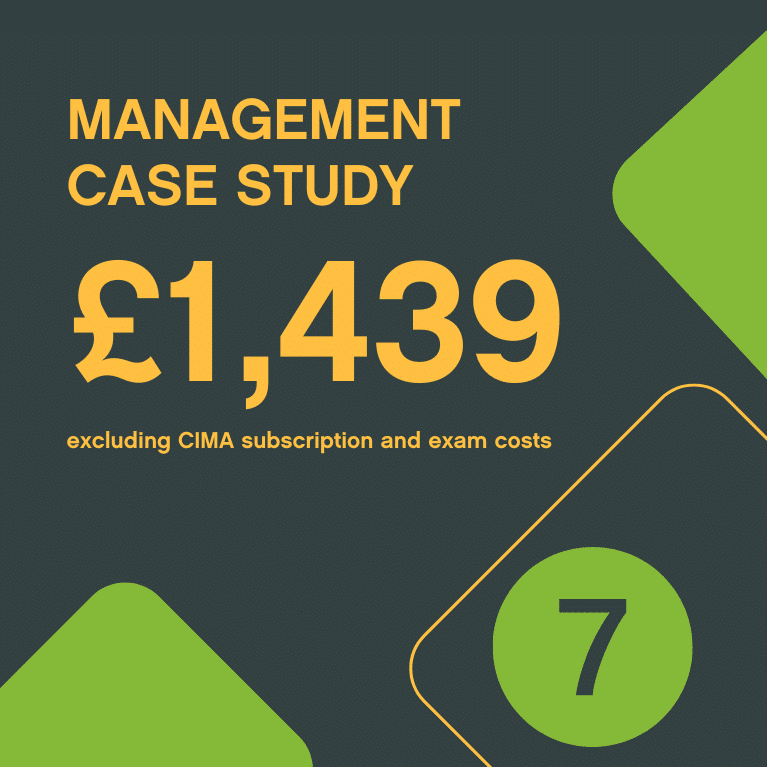
The Management Level Case Study assesses students’ ability to apply their knowledge and skills across the E2, P2, and F2 modules in realistic business scenarios. It focuses on evaluating strategic, management, and financial challenges, requiring candidates to analyse information, make informed decisions, and provide practical recommendations.
The case study also tests professional skills, including communication, problem-solving, and ethical judgement, in the context of organisational leadership and governance. By completing this assessment, students demonstrate their ability to integrate technical knowledge with analytical and professional capabilities to address complex issues and support effective management and decision-making in real-world business situations.
Classes start on Monday 2nd March 2026. Sessions start at 9am and finish at 4pm, with our trainer, Katherine.