Your Career. Our Priority.



The Operational level is the first stage of CIMA’s CGMA Professional Qualification and is designed to help you build strong foundations in management accounting and business operations. It focuses on how organisations work day to day, and how finance supports effective decision-making at an operational level.
You’ll develop practical skills that support short-term planning and day-to-day decision-making. You’ll learn how to prepare and use financial information, manage costs and budgets, and understand how operations, finance, and technology work together within an organisation. You’ll also build confidence in using data to support performance and improve business efficiency. If you’d like to complete all of the Operational level modules, this is available for £3,599 (excluding CIMA subscription and exam costs).
We also offer a price match guarantee on all of our face-to-face classroom delivery modules.
This level is ideal if you’re starting your CGMA Professional Qualification or progressing from the CIMA Certificate in Business Accounting. You’ll usually begin at the Operational level once you’ve completed the Certificate level, Level 4 AAT, or exemptions may allow you to start here if you have other relevant prior study or experience. You can check your recommended starting point using CIMA’s exemptions calculator.
Once you’ve completed this level, you’ll be ready to move on to the Management level.
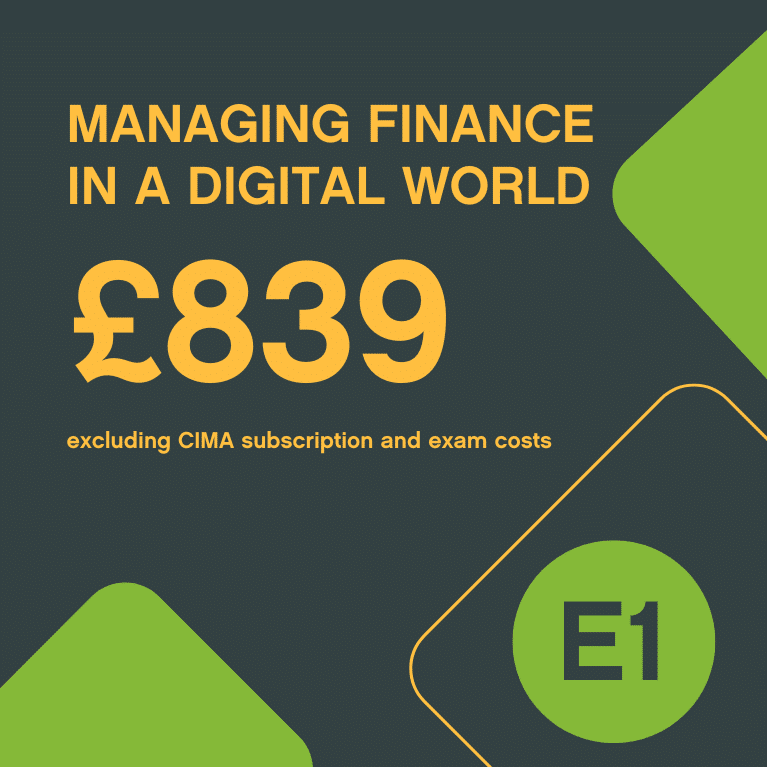
The E1 Managing Finance in a Digital World module introduces students to the role of finance within modern, technology-enabled organisations. It explores how digital technologies, data, and information systems support business operations, decision-making, and performance management. Students will learn knowledge and skills in areas such as digital finance processes, data governance, cyber security, and the impact of emerging technologies on the finance function.
The module also emphasises professional and ethical behaviour, effective communication, and the use of data to provide insight and support business strategy. By the end of the module, students will understand how finance professionals add value in a digital environment.
Weekly sessions start on Tuesday 19th May 2026, and run for 5 weeks. Sessions start at 9am and finish at 4pm, with our trainer, Katherine. Or, enquire below about our October intake!
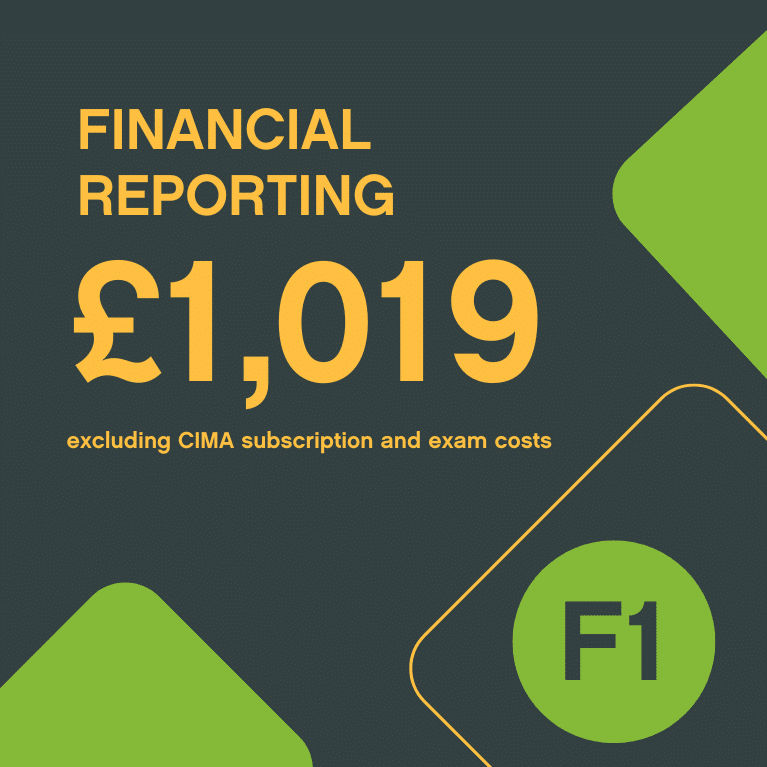
The F1 Financial Reporting module develops students’ understanding of financial accounting principles and their application in preparing financial statements. It covers the regulatory framework of financial reporting, including relevant accounting standards, and the preparation of financial statements for single entities. Students also explore the interpretation and analysis of financial information, considering the needs of different stakeholders.
The module will also highlight the role of accurate and transparent reporting in supporting decision-making and accountability. By the end of the module, students will be able to prepare, analyse, and communicate financial information that supports effective management and external reporting requirements.
Weekly sessions start on Tuesday 27th January 2026, and run for 6 weeks. Sessions start at 9am and finish at 4pm, with our trainer, Katherine. Or, enquire below about our June intake!
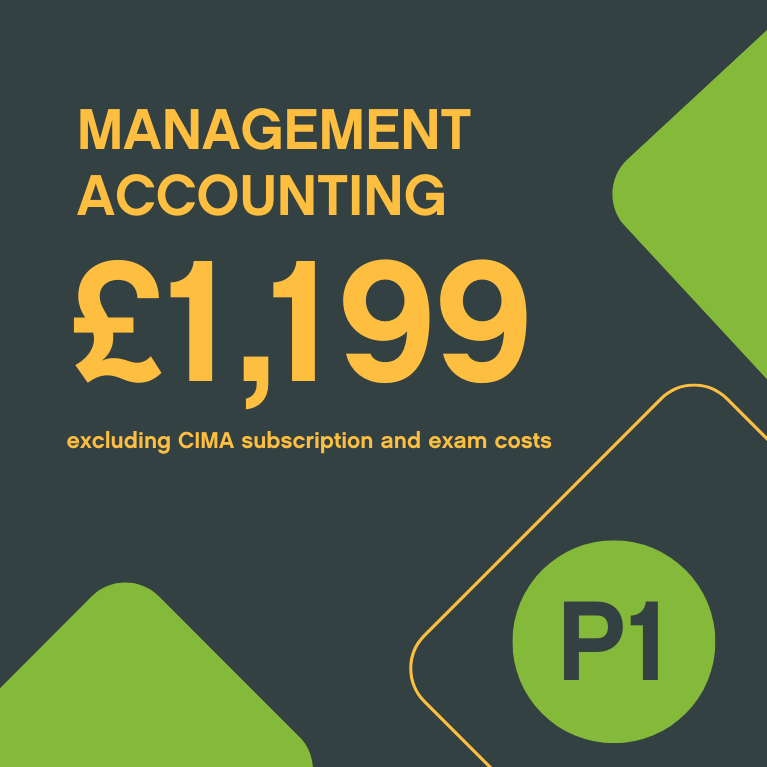
The P1 Management Accounting module introduces students to the principles and techniques used to support planning, control, and decision-making within organisations. It covers cost and management accounting methods, budgeting, forecasting, and performance measurement. Students learn how to analyse both financial and non-financial information to support operational decisions and assess organisational performance.
Then the module will move on to highlight the role of management accounting in managing resources efficiently and supporting business objectives. By the end of the module, students will be able to apply management accounting information to provide meaningful insights and support effective management and decision-making.
Weekly sessions start on Tuesday 17th March 2026, and run for 8 weeks. Sessions start at 9am and finish at 4pm, with our trainer, Katherine.
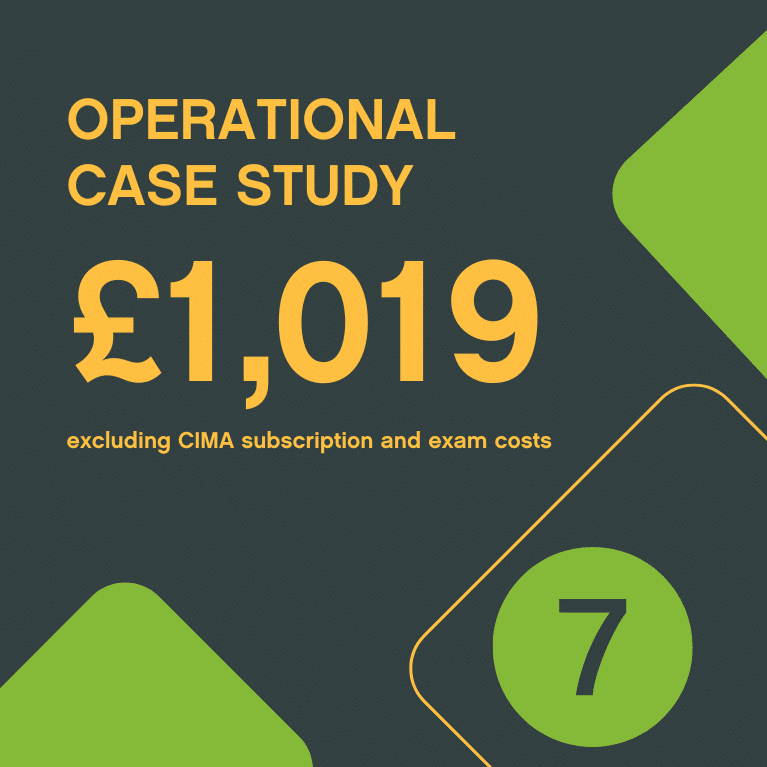
The Operational Level Case Study assesses students’ ability to apply their knowledge and skills from the E1, P1, and F1 modules in practical business scenarios. It focuses on operational decision-making, requiring candidates to analyse information, solve problems, and provide clear, actionable recommendations. The assessment also evaluates professional skills such as communication, ethical awareness, and business judgement within an organisational context.
By completing this case study, students demonstrate their ability to integrate technical accounting and management knowledge with professional skills to support effective operations, contribute to performance improvement, and add value within a real-world business environment.
Classes start on Monday 2nd March 2026. Sessions start at 9am and finish at 4pm, with our trainer, Katherine.